
Female Infertility: Meaning, Causes & Symptoms | IVFSaathi
0%
Fertility Tests & Diagnosis
Female Infertility: Meaning, Causes & Symptoms | IVFSaathi
Female infertility can make it difficult to get pregnant and may be caused by factors such as age, hormonal changes, PCOS, blocked fallopian tubes, endometriosis, or other conditions. Learn about the causes, symptoms, types, and fertility tests for female infertility.
Not decided
not decided
Share
Updated 9/11/2026
What is Female Infertility?
Infertility means having difficulty in getting pregnant despite having regular, unprotected sex. In women, infertility is defined based on age and how long they have been trying to conceive-
- If a female is under 35: after trying for pregnancy for 12 months
- If a female 35 or older: after trying for pregnancy for 6 months
Female infertility is generally classified into two types: primary infertility and secondary infertility.
- Primary infertility: When a woman has never been pregnant before and is unable to get pregnant despite trying.
- Secondary infertility: When a woman has been pregnant before but is having difficulty getting pregnant again.
Common Causes of Female Infertility
Age
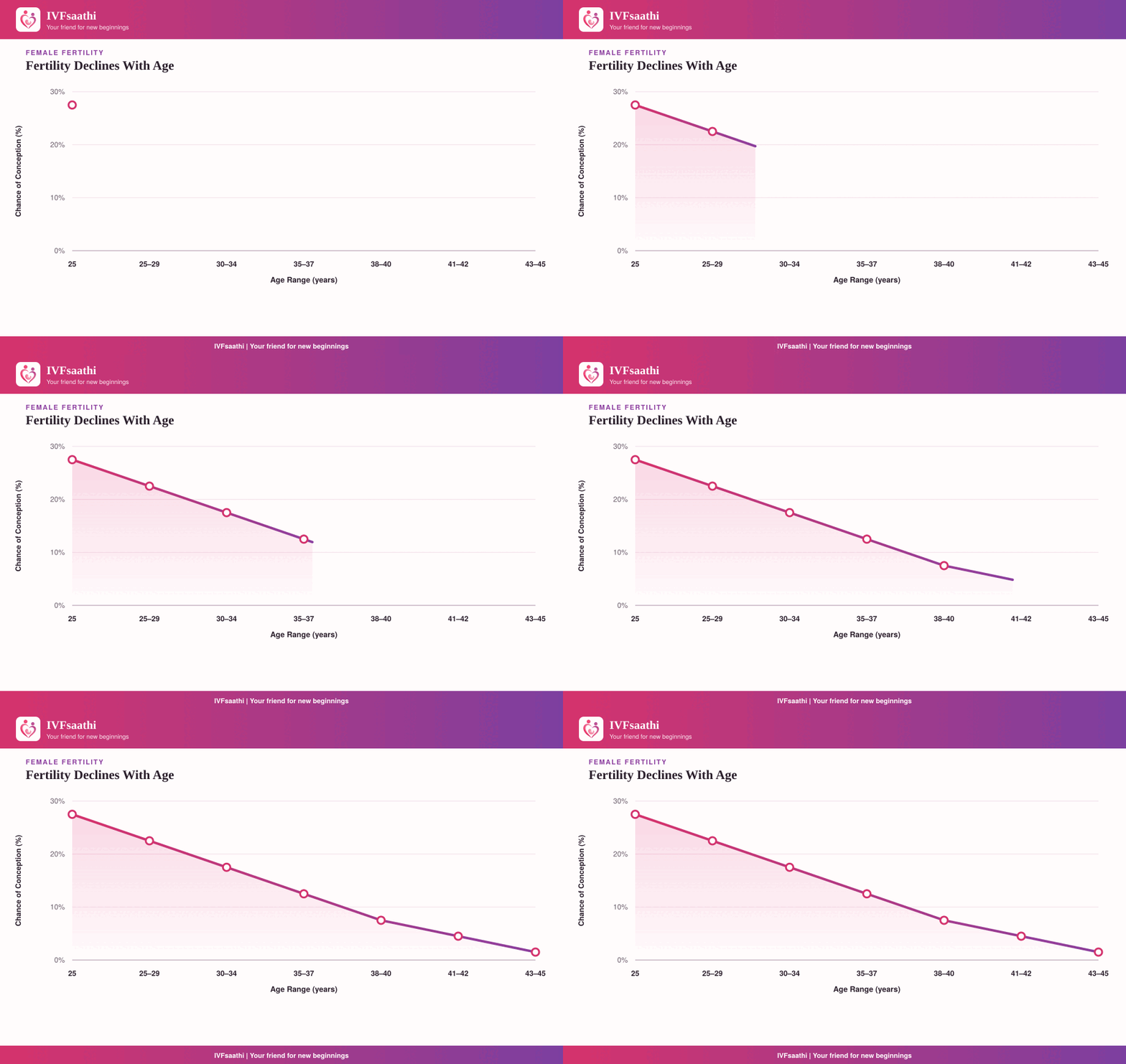
Fertility in females reduces as their age increases. A woman is born with a fixed number of eggs in her ovaries, which her body needs for pregnancy.
As she grows up, her body usually releases one egg every month during the menstrual cycle. This process is called ovulation. If this egg meets the man’s sperm, pregnancy can happen.
But as a woman gets older, the number of eggs left in her body decreases, and their quality can also decrease. This is a natural part of aging and can happen even if she is healthy and fit.
Weight
Being underweight or overweight can affect your hormones and make ovulation irregular. This can lead to irregular periods and make it harder to get pregnant. To know more about the impact of weight on female fertility watch this video.
Smoking and Alcohol
Cigarettes contain chemicals that can damage a woman’s eggs and affect the ovaries. Smoking can also disturb ovulation and make it harder for an embryo to attach to the uterus.
Drinking alcohol heavily or regularly can disturb the hormones that control the menstrual cycle and ovulation. This can make periods irregular and make it harder to get pregnant.
Excessive Exercise
Doing too much exercise, especially without eating enough, can affect the hormones that control ovulation. This can make periods irregular and make it harder to get pregnant.
Hormone Imbalance
Some common conditions and hormonal imbalances that can affect fertility include anovulation, PCOS (Polycystic Ovary Syndrome), and high prolactin levels (hyperprolactinemia). These conditions can cause irregular or absent ovulation, making it harder to get pregnant.
Blocked or Damaged Fallopian Tubes
Fallopian tubes are small tubes that carry the egg from the ovary to the uterus. If they are blocked or damaged, sperm may not be able to reach the egg, or the fertilized egg may not be able to reach the uterus. This can make it harder to get pregnant and can also increase the risk of an ectopic pregnancy.
Endometriosis
Endometriosis is a condition where tissue similar to the lining inside the uterus grows outside the uterus. This tissue can cause pain, inflammation, heavy periods, and sometimes difficulty getting pregnant. Want to learn more about endometriosis, its symptoms, and how doctors diagnose it? Click here to learn more.
Utrine Fabroids
Uterine fibroids are non-cancerous growths that develop in or around the uterus. Depending on their size and location, they may affect the uterus or make it harder for a fertilized egg to attach to the uterus, which can make it difficult to get pregnant. Watch this video to understand uterine fibroids in detail.
Ovarian Cysts
Ovarian cysts are fluid-filled sacs that can develop in the ovaries. Most ovarian cysts are harmless and do not affect fertility. However, some types, such as those linked to endometriosis or PCOS, may sometimes make it harder to get pregnant.
Primary Ovarian Shortfall
Primary ovarian shortfall happens when the ovaries stop working normally before the age of 40. It can lead to irregular or absent periods and a reduced chance of ovulation, making pregnancy more difficult.
Autoimmune disorders
In some autoimmune disorders, the body's immune system mistakenly attacks its own healthy tissues. Conditions such as lupus, autoimmune thyroid disorders, and antiphospholipid syndrome can sometimes affect fertility or pregnancy.
Unexplained Infertility
Sometimes, even after fertility tests show that the ovaries, fallopian tubes, uterus, and hormones appear normal, a woman may still have difficulty getting pregnant. This is called unexplained infertility. It does not mean that there is no reason for the infertility, but that the available tests have not been able to identify a clear cause.
Symptoms of Infertility in Women
Female infertility does not always cause clear symptoms. However, some common signs that may be linked to fertility problems include
- Missed or irregular periods: When periods may come very early (less than 21 days apart), take a long time to come (more than 35 days apart), or sometimes not come at all.
- Hormonal changes: Problems such as severe acne or extra hair growth on the face or body
- Sudden weight changes: Gaining or losing a lot of weight without trying
- Pain during sex: Feeling pain or discomfort during sexual activity
- Long-lasting pelvic pain: Pain in the lower stomach or pelvic area that does not go away
- Repeated miscarriages: Losing a pregnancy more than once
Frequently Asked Questions
Yes. Many women with PCOS can get pregnant. However, PCOS can affect ovulation and make it harder to conceive. Treatment can help improve the chances of pregnancy.
This article is general information and does not replace individual medical advice. Please discuss your own situation with a qualified doctor.
Last updated: 9/11/2026
Was this helpful?
Comments (0)
No comments yet — be the first.